

Skip to content

What Is Aronia Berry?

The antioxidant berry most Americans have never tasted — and the reason ElixirBurst exists.

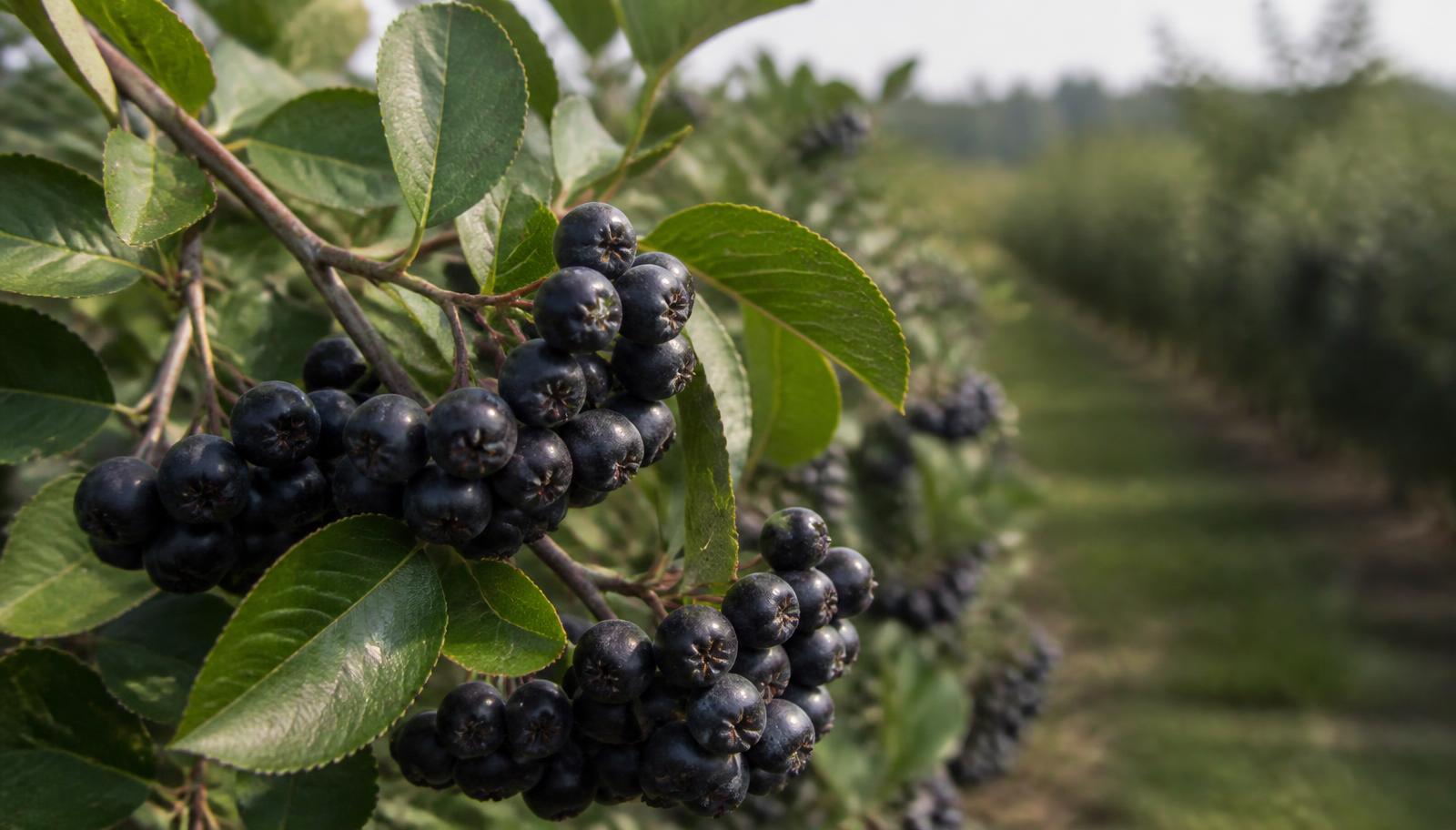
Clusters of ripe Aronia berries hanging on a leafy branch at the edge of an orchard row

Quick Answers

What is Aronia berry?
Aronia (chokeberry) is a dark purple berry with one of the highest antioxidant contents of any fruit.
What does Aronia juice taste like?
Tart, dry and astringent, with deep berry and a clean finish. It is unsweetened.
How much Aronia juice should I have a day?
A 50ml serving mixed in. Do not exceed 100 ml (3.4 oz) per day.
How do you use Aronia juice?
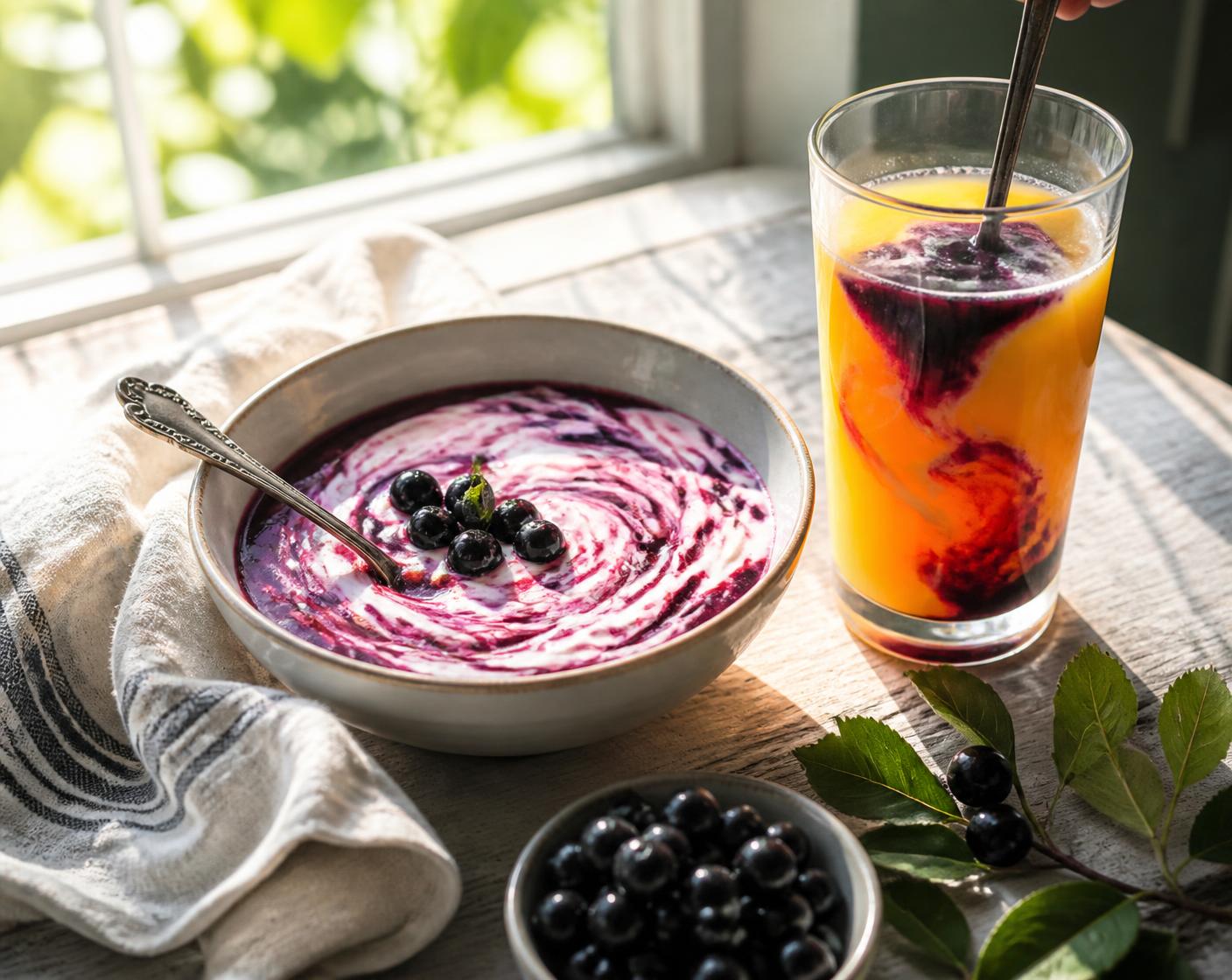
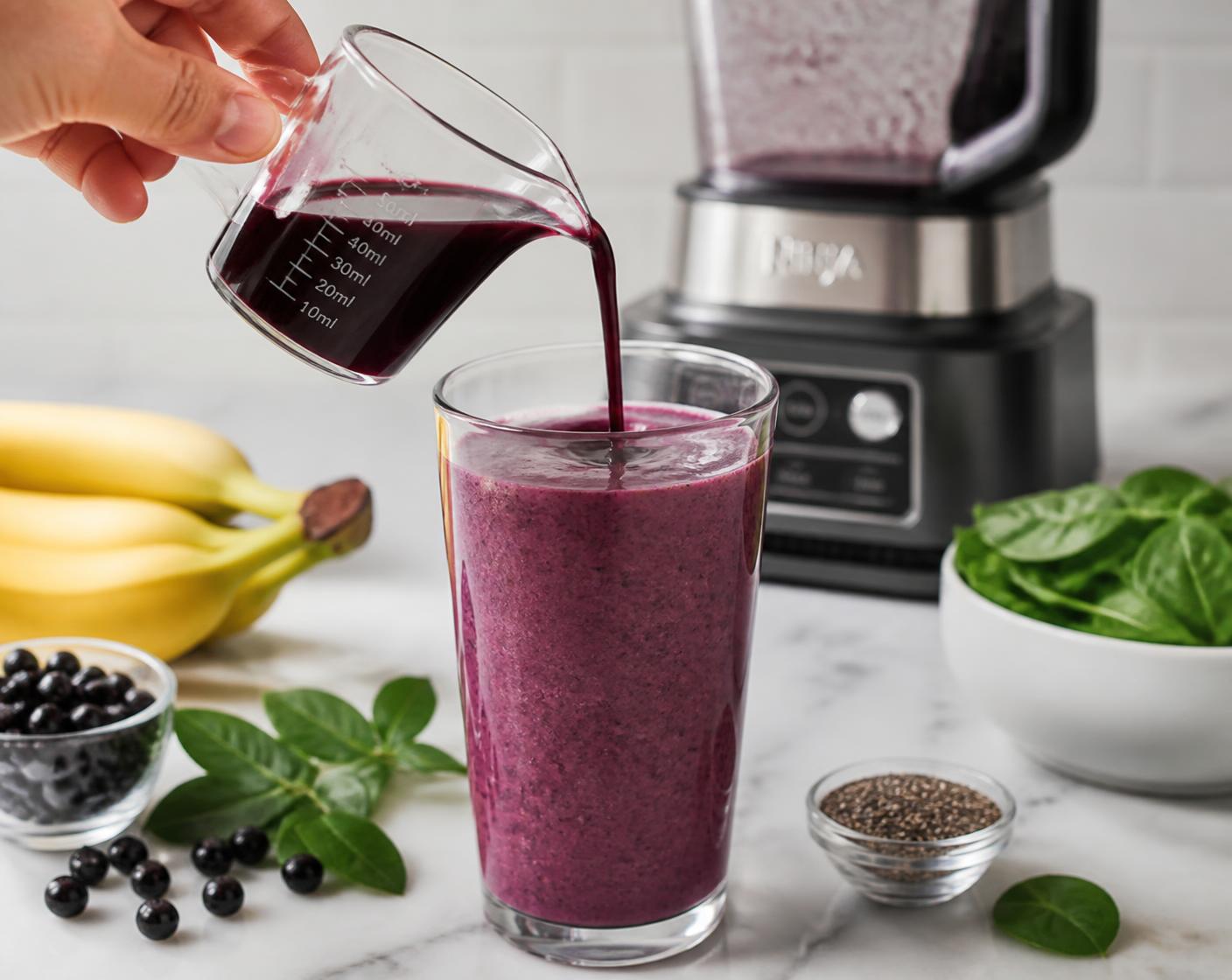
Aronia is concentrated and always mixed. Add a 50ml serving to another juice, a smoothie or yogurt. Do not drink directly from the bottle.
How long does Aronia juice last after opening?
Refrigerated, 14 days. There are no preservatives.
Is Aronia juice good for you?
Its polyphenols are associated with antioxidant, immune, heart and anti-inflammatory support.
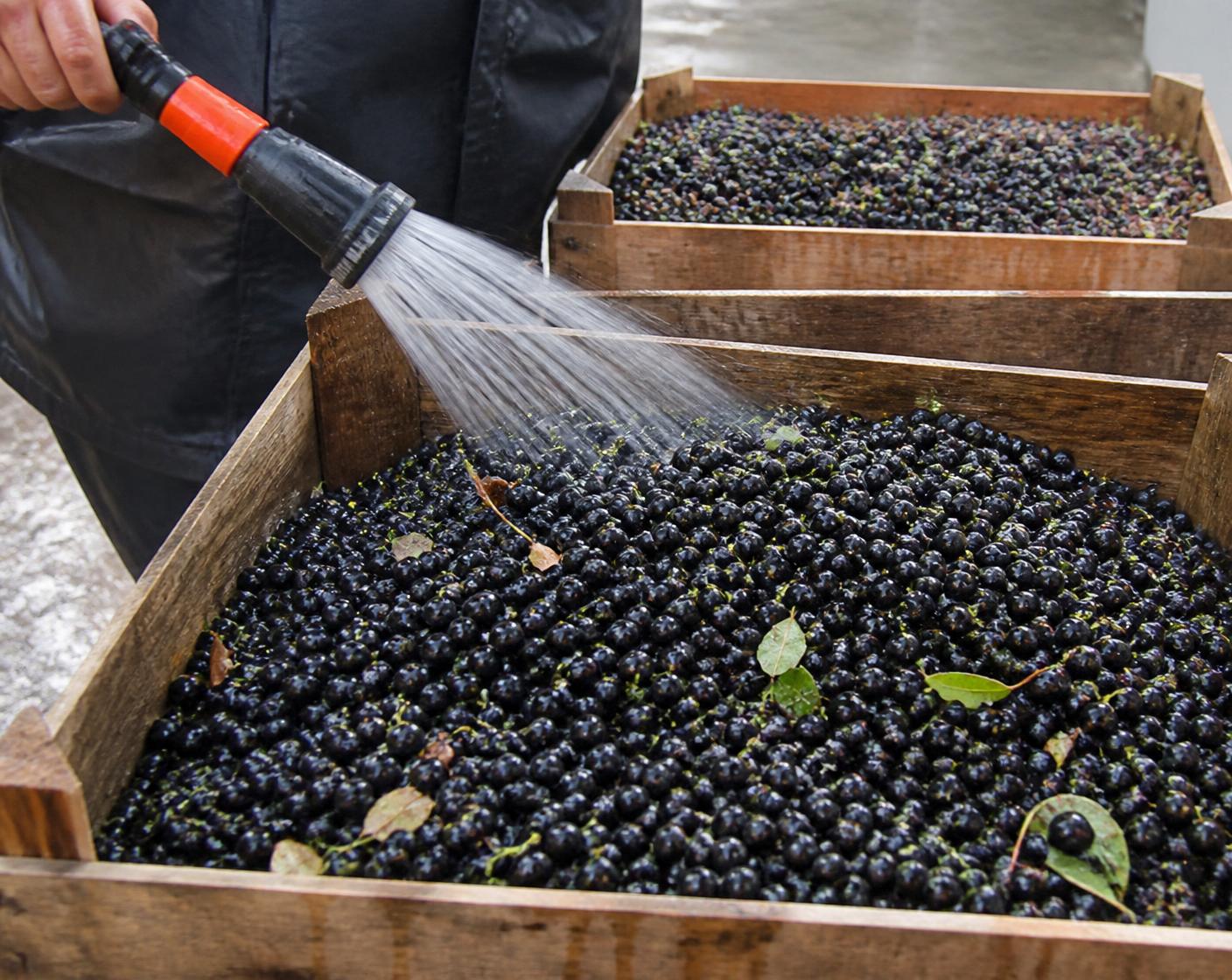
Freshly harvested Aronia berries being rinsed with clean water in wooden harvest crates

The Aronia Berry, Explained

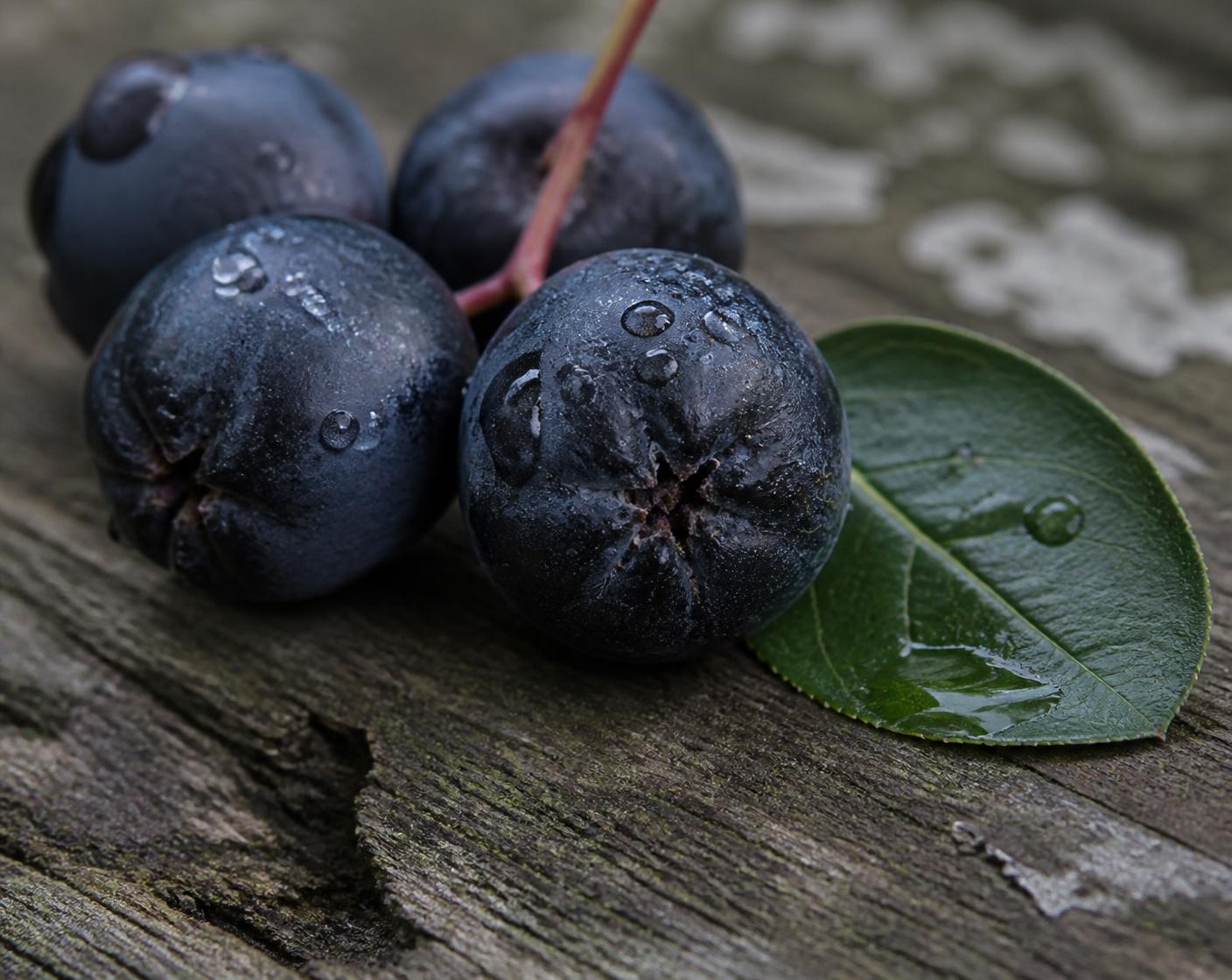
Macro view of four ripe Aronia berries and a wet green leaf resting on weathered wood

Most Americans have never tasted Aronia. In Serbia, Poland and across Eastern Europe it has been a daily staple for decades.

This guide covers what the berry is, what the research says, how it tastes, and how to make it part of an ordinary day.

Origin & History

Rows of Aronia bushes heavy with dark fruit stretching across misty hills at sunrise

Aronia melanocarpa is native to eastern North America and was carried to Europe in the twentieth century, where it was bred for juice.

It returns to the US today largely as an import — which is why so few people here recognize the name.

Antioxidants & the Science

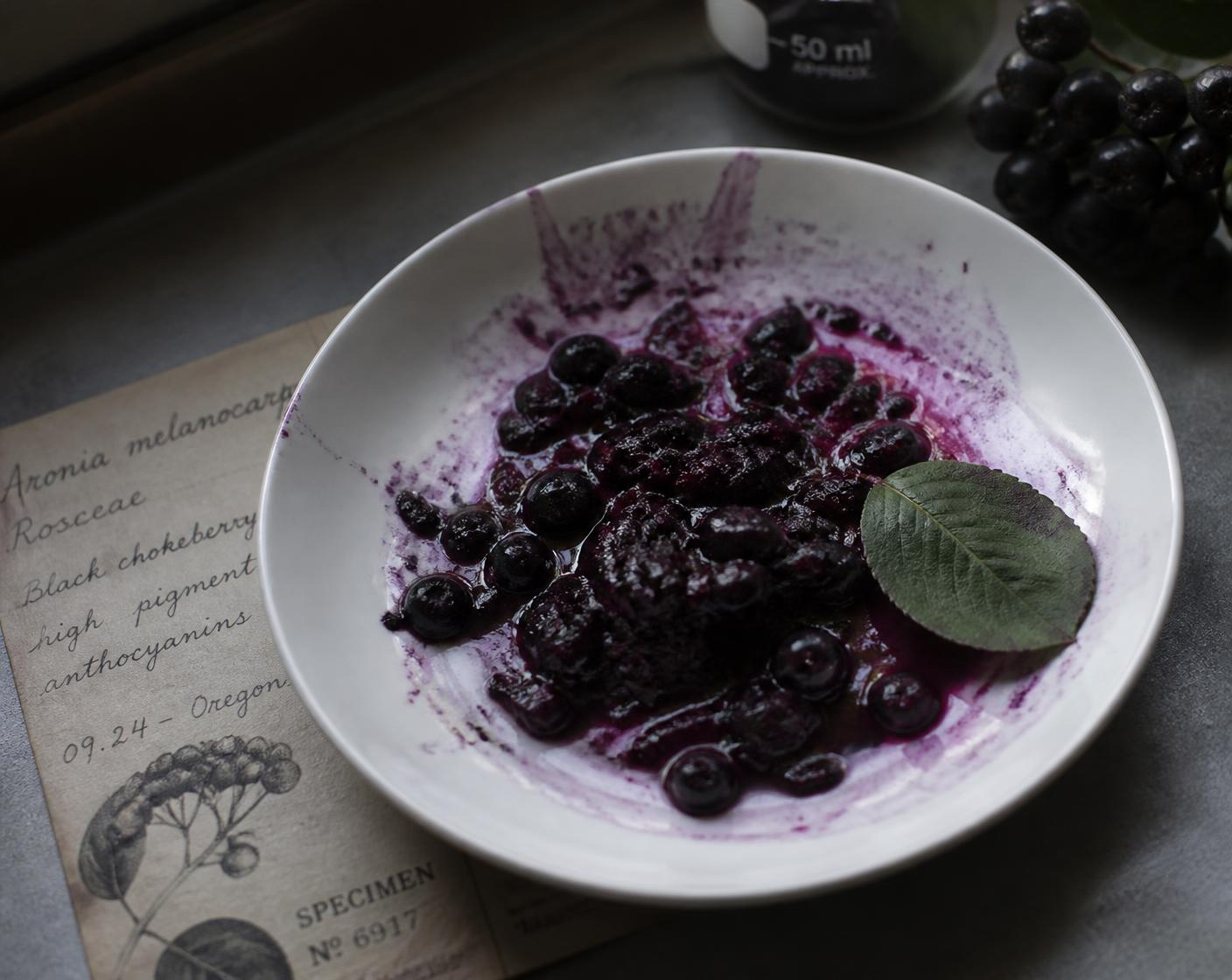
Crushed Aronia berries staining a white dish deep violet, showing the anthocyanin pigment

Aronia consistently measures among the highest-ORAC fruits studied, driven by anthocyanins, proanthocyanidins and chlorogenic acid.

  • Anthocyanins — the pigment behind the deep purple color
  • Proanthocyanidins — responsible for the astringency
  • Chlorogenic acid — also found in coffee and blueberries
  • Vitamin C, vitamin K, manganese and fiber in the whole fruit

What People Use It For

A glass of dark Aronia juice, a carafe and a bowl of berries on a linen table in morning light

Each benefit below maps to a filtered collection so you can shop by what you care about.

  • Immune support
  • Heart and circulatory health
  • Anti-inflammatory support
  • Gut and metabolic wellness
  • Skin resilience

Why It Tastes Tart

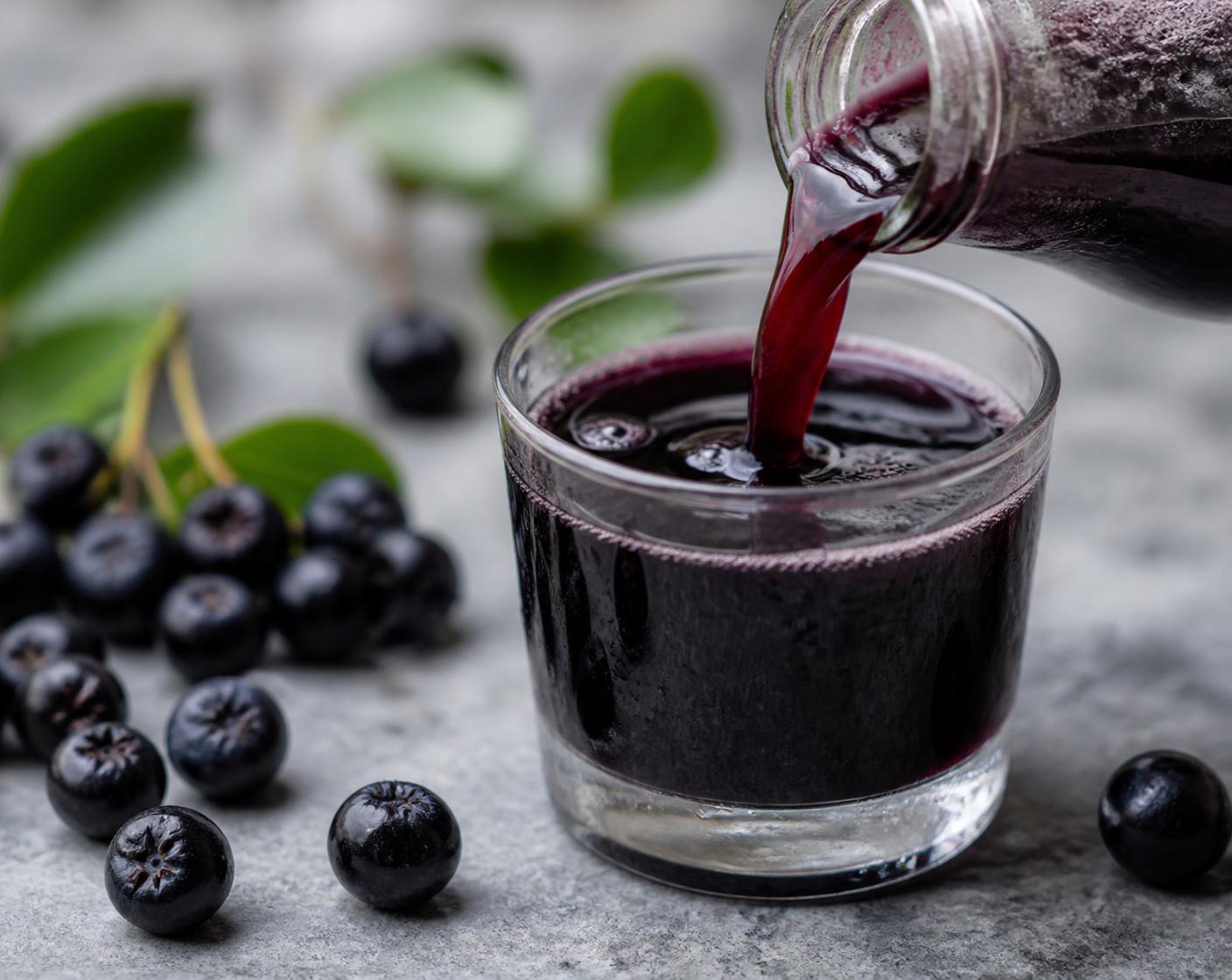
Unsweetened Aronia juice poured into a tasting glass beside loose berries and leaves

Aronia is dry and astringent on purpose — that pucker is the polyphenols. We never sweeten it to hide the fruit.

If you are new to it, dilute it or pair it with citrus for the first week.

How to Use It

A measured 100 ml serving of Aronia juice in a glass beaker on a stone counter

Aronia is concentrated by nature and meant to be mixed, never consumed straight. Add 50ml to another juice, a smoothie or yogurt — 50ml of Aronia in Raw Revival makes a rich berry addition, and 50ml in Turmeric Fusion is an easy way to work Aronia into the blend.

Do not drink directly from the bottle. Pour the amount you need and mix it into another juice, smoothie, or yogurt.

Suggested serving
50ml mixed in
Daily maximum
Do not exceed 100 ml (3.4 oz) per day
After opening
Refrigerate, consume within two weeks

Who It's For

A woman at a sunlit kitchen counter holding a small glass of Aronia juice as part of her daily routine

Anyone building a consistent wellness habit. If you are pregnant, nursing, or on medication, talk to your clinician first.

How ElixirBurst Sources & Presses It

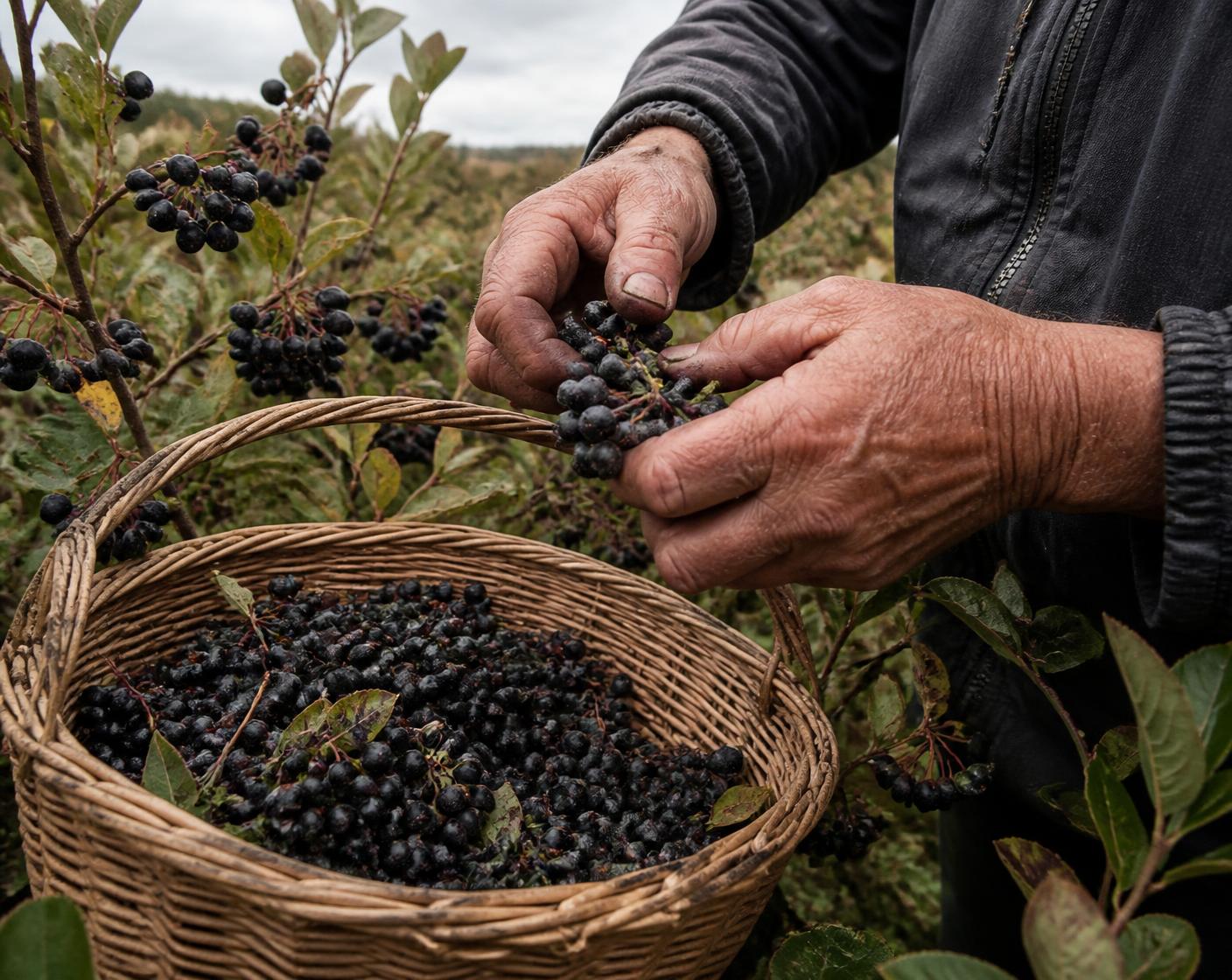
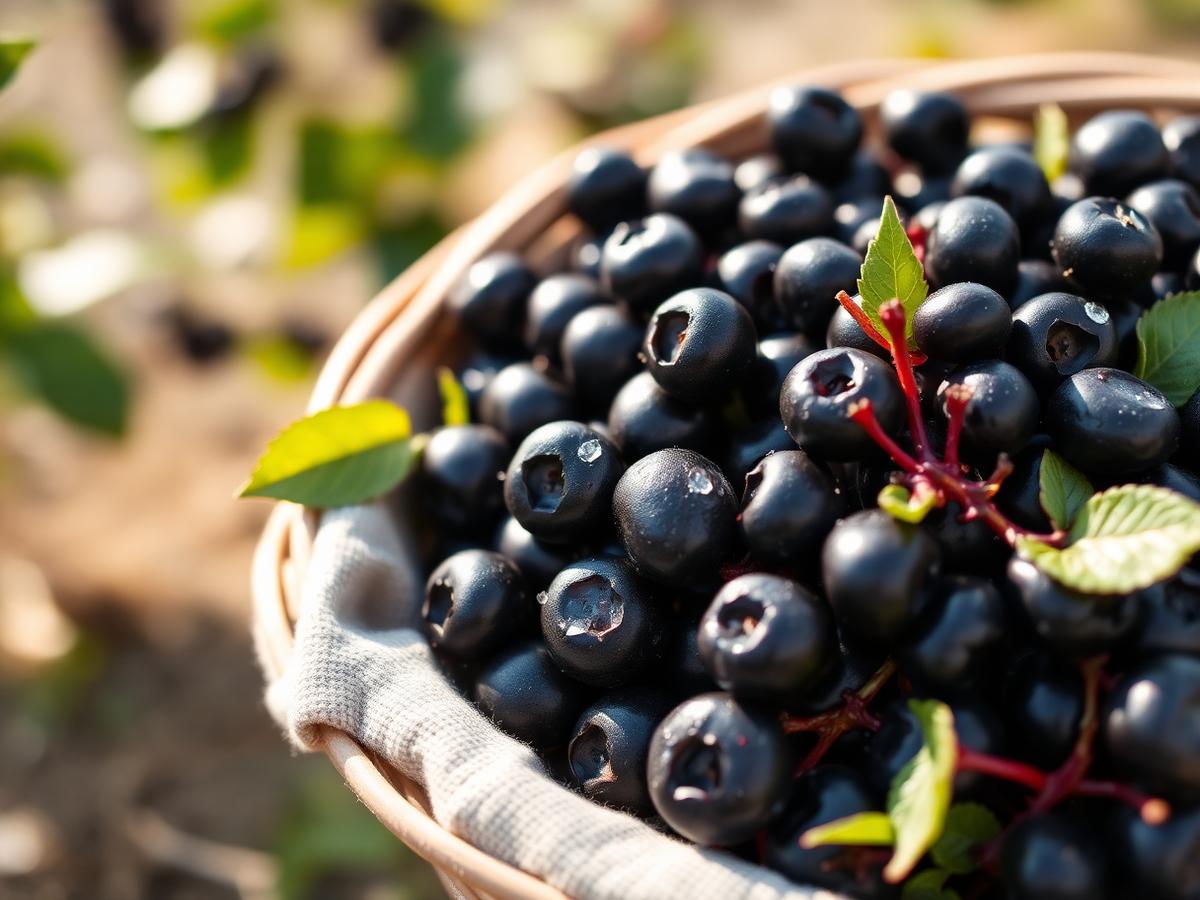
A farmer's weathered hands picking ripe Aronia berries into a woven harvest basket

100% natural fruit, straight pressed, never from concentrate, and bottled in glass the same season it is harvested.

Common Myths

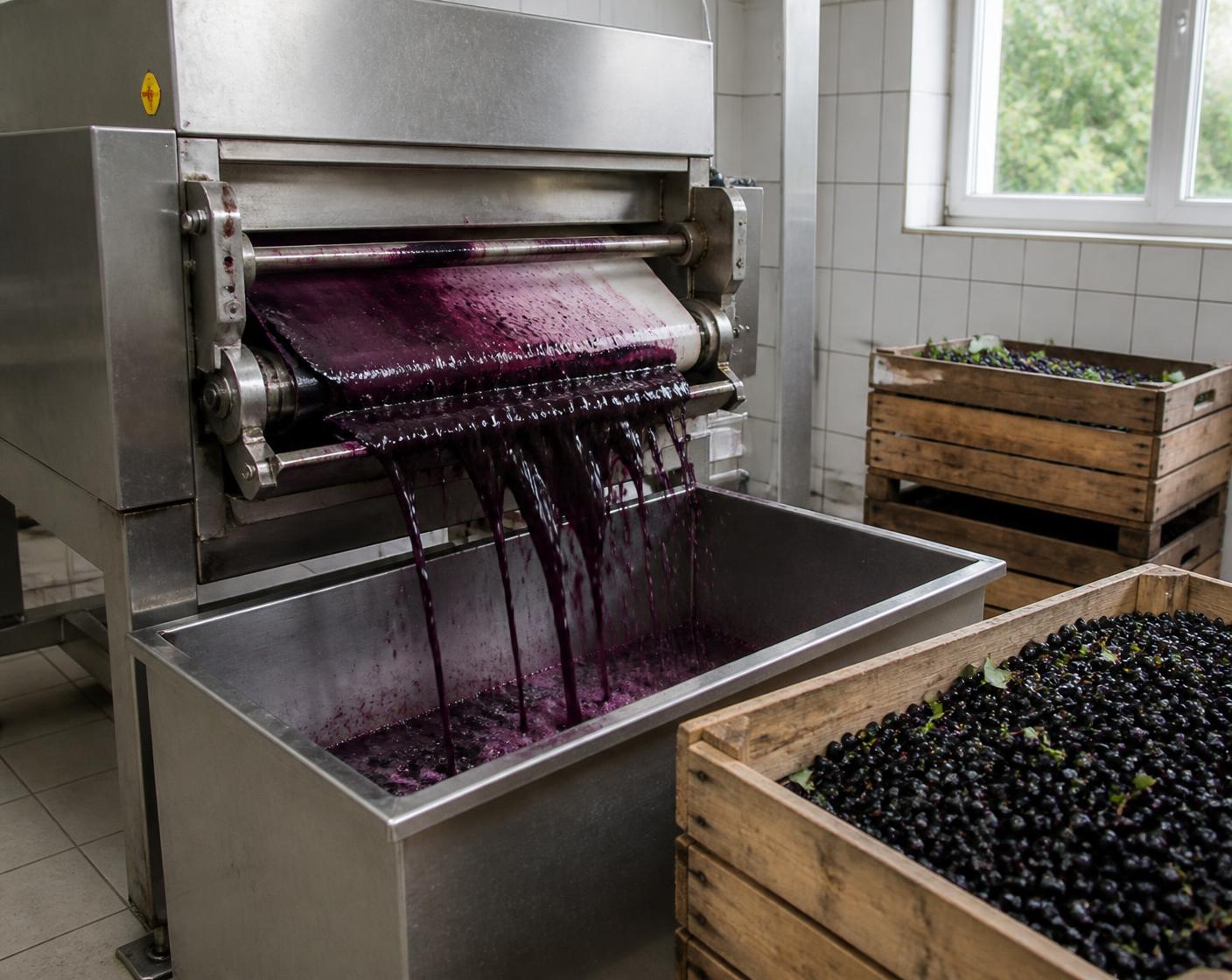
Deep purple Aronia juice running from a stainless steel belt press beside crates of fresh berries
  • "Darker means sweeter" — with Aronia, darker means more tannin.
  • "Juice from concentrate is the same" — reconstitution costs aroma and character.

The Research Behind Aronia

Small berry. Growing body of research.

Aronia has attracted scientific interest because of its naturally occurring polyphenols and anthocyanins.

Human studies and laboratory research have explored its relationship with cardiovascular, metabolic, and cellular health. Here are some of the published findings.

Tap a study to see what researchers investigated.

  • HUMAN RESEARCHStudies involving people
  • LAB RESEARCHExperiments involving cells in controlled laboratory environments
  • ANIMAL RESEARCHPreclinical studies that help researchers investigate biological mechanisms

Heart + Circulation

Human research
HUMAN RESEARCH2021

Aronia and cardiovascular markers

META-ANALYSIS · HUMAN STUDIES

Researchers reviewed controlled trials of daily Aronia supplementation lasting roughly 6–8 weeks.

What researchers found

The analysis reported reductions in systolic blood pressure and total cholesterol, with larger effects observed among adults over age 50.

Published: Journal of Dietary Supplements

DOI: 10.1080/19390211.2020.1800887

VIEW ON PUBMED
HUMAN RESEARCHBroncel et al.

Blood pressure and lipid markers

25 PARTICIPANTS · HUMAN STUDY

Twenty-five adults with metabolic syndrome received Aronia anthocyanin extract for two months.

A study of Aronia extract, not ElixirBurst juice.

What researchers found

Researchers reported changes in systolic and diastolic blood pressure along with several lipid and oxidative-status markers.

Systolic blood pressure changed from approximately 143–144 mmHg at baseline to approximately 132 mmHg after the study period.

VIEW ON PUBMED

Metabolic Health

Human research
HUMAN RESEARCH2021

Aronia extract and metabolic health markers

CLINICAL RESEARCH · SERBIA

Researchers studied standardized Aronia extract for 28 days in people with metabolic syndrome, examining blood pressure, blood glucose, cholesterol, triglycerides, and other metabolic measures.

What researchers found

Research included scientists associated with the University of Kragujevac, Serbia.

DOI: 10.1007/s11010-021-04106-4

VIEW THE RESEARCH
HUMAN RESEARCH2025

Eight weeks of Aronia fruit extract

RANDOMIZED CONTROLLED TRIAL · 44 OLDER ADULTS

In a randomized trial of 44 older adults with metabolic syndrome, 22 participants received 10 g of Aronia fruit extract daily for eight weeks.

What researchers found

Researchers reported changes in several cardiovascular, lipid, inflammatory, and oxidative-stress markers compared with the control group.

Researchers reported reductions in diastolic blood pressure, LDL cholesterol, triglycerides, TNF-α, IL-6 and oxidized LDL.

DOI: 10.1080/27697061.2025.2551181

VIEW ON PUBMED

Early-stage research · not human clinical evidence

Early Laboratory Research

These studies were carried out in cells or animals. Scientists use them to generate questions, not to establish what happens in people.

LAB RESEARCH2020

Aronia anthocyanins and Caco-2 cells

IN-VITRO CELL STUDY

In an in-vitro laboratory study, researchers examined Aronia anthocyanins in Caco-2 colon cancer cells and observed effects on cell proliferation and Wnt/β-catenin signaling.

Laboratory cell study — this does not demonstrate cancer prevention or treatment in people.

What researchers found

DOI: 10.1002/cbdv.202000654

VIEW ON PUBMED
LAB RESEARCH2014

Aronia polyphenols and pancreatic cancer cells

IN-VITRO CELL STUDY

Researchers studied Aronia polyphenols in the human pancreatic cancer cell line AsPC-1, including laboratory interaction with the chemotherapy drug gemcitabine.

In-vitro laboratory research only — not evidence that Aronia treats pancreatic cancer in humans.

What researchers found

DOI: 10.1136/jclinpath-2013-202075

VIEW ON PUBMED

Preclinical liver research

Animal studies have also investigated Aronia extracts in models of oxidative liver stress. These studies are useful for generating scientific questions but cannot be assumed to predict effects in people.

What does the research mean?

Aronia research is promising, but results are not completely consistent. Studies use different preparations, doses, populations, and study lengths. A recent systematic review of randomized trials concluded that the overall evidence for cardiometabolic effects remains uncertain. More high-quality human research is needed.

Curious about Aronia?

See how concentrated Aronia fits into everyday juices, smoothies, yogurt, and recipes.

Research note

These studies examine Aronia melanocarpa or specific Aronia extracts used under controlled research conditions. They do not establish that ElixirBurst Aronia prevents, diagnoses, treats, or cures any disease. Research findings can vary based on preparation, amount consumed, population, and study design. This information is provided for educational purposes and is not medical advice.

Where to Next

Now that you know the berry, follow it through the rest of ElixirBurst — the bottles we press it into, the drinks people make with it, and the people and practices behind every harvest.

These statements have not been evaluated by the FDA. ElixirBurst juices are foods, not medicine, and are not intended to diagnose, treat, cure or prevent any disease.